
Have you ever stepped into a home and immediately felt a sense of effortless flow from room to room? What if you could make your own home feel just as harmonized—all while expressing your unique style? Unlocking the secret to creating a cohesive home design scheme isn’t reserved for interior designers or HGTV stars. With guidance from the experts at BenchMark Homes, you’ll see how easy—and transformative—it can be to bring unity, elegance, and comfort into every corner of your home.
Are You Overlooking the Key to a Cohesive Home? Understanding the Power of a Unified Home Design Scheme
Many homeowners underestimate just how much a cohesive home design impacts everyday living. When you create continuity from your living room through each hallway and bedroom, your interior design not only looks curated but feels inviting. By thoughtfully orchestrating paint colors, materials, and design elements, you make your home feel intentional. It reduces the visual “clutter” that can arise from clashing styles, making every space that feels open yet interconnected. Whether you’re building a new custom home or renovating room by room, prioritizing cohesion boosts both comfort and home value. BenchMark Homes’ approach demonstrates this—clients consistently find that a unified scheme enhances the sense of luxury and ease, no matter the home size.
Focusing on a cohesive home isn’t about stripping away personality or sticking to one trend. Instead, it’s about discovering a harmonious framework—a set of guiding principles that allow your tastes to shine but in a way that feels fluid. A unified design encourages relaxation, fosters good mood, and even makes your spaces more versatile for entertaining and family life. By mastering the techniques in this guide to creating a cohesive home design scheme, you can avoid the chaos of mismatched décor and create a calm “story” that carries from entryway to retreat.
Why Creating a Cohesive Home Design Scheme Matters for High-End Living
In the luxury housing market, creating a cohesive home design scheme sets exceptional properties apart. Prospective buyers or guests instantly recognize a home that’s thoughtfully unified, as opposed to one that feels pieced together. Cohesion elevates the overall sense of quality—even simple design choices look elevated when they reinforce each other across spaces. Leading designers and custom home builders recommend approaching your interiors with a deliberate plan: use similar styles, materials, and motifs to tie spaces together, while allowing subtle shifts to keep things fresh. The result is not only a more attractive home but one that supports the high expectations of comfort, function, and resale value that come with luxury living.
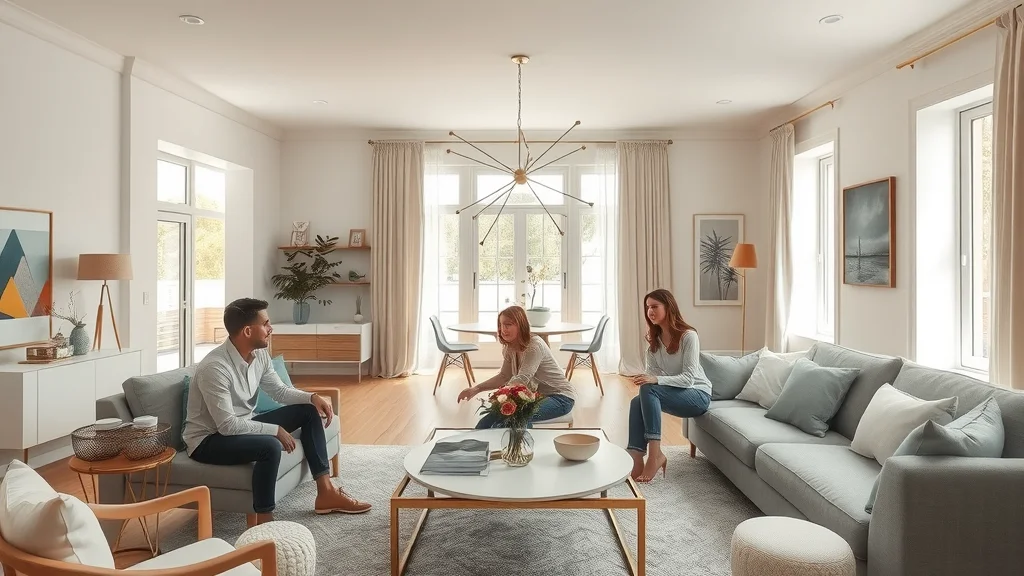
What You’ll Learn in This Guide to Creating a Cohesive Home Design Scheme
-
The foundational principles of cohesive home design
-
How to select and balance color palettes for a seamless look
-
Blending design elements for a unified interior design
-
Tips from top custom home builders and interior design experts
-
Actionable steps for translating your personal style into a cohesive design scheme
Defining Cohesion: What Makes a Cohesive Home Design Stand Out?
Cohesion in your home is what separates a magazine-worthy interior from one that feels disjointed or unfinished. At its core, “cohesion” means that rooms—while still unique—naturally belong together. This is how you make everything feel like part of the same intentional story. From the foyer to the living room to private retreats, cohesive homes have a rhythm—shared colors, repeated motifs, and materials that elegantly flow from space to space. What truly makes a cohesive home design remarkable is that it doesn’t need to be complicated. Instead of chasing every new design trend, focus on continuity: a strong color palette, a handful of trusted materials, and select design choices repeated thoughtfully. Even eclectic interiors rely on cohesion; they just use consistent themes or colors as “anchors” so bold pieces feel curated, not chaotic.
As you begin the process of creating a cohesive home design scheme, ask yourself: What emotions do you want each room to evoke? Are there design elements you want to repeat? By making deliberate choices—using a mood board or “Pinterest board” for visual reference—you can ensure each selection supports your overarching vision. The result is a welcoming, seamless home that inspires you every day.

Key Design Elements for Achieving Cohesion in Your Home
The path to a cohesive home always starts with a handful of essential design elements: color palette, material finishes, focal points, and lighting. Each of these plays a unique role in building visual connections between rooms. For example, a consistent color palette creates harmony and sets the mood, while repeating textured wood or metallic accents in different spaces brings subtle unity. Don’t overlook the impact of statement pieces; when chosen thoughtfully, they act as “visual bridges,” drawing the eye and connecting one area to the next.
Lighting is especially powerful. An adjustable, layered lighting plan can enhance the coherence of open-plan layouts or help smaller rooms feel tied together. Coordinating rug textures, curtain fabrics, and even hardware finishes helps ensure that, despite different functions, rooms relate to one another. As you select design elements for each space, ask if they support the overarching theme and color scheme you’ve chosen. If so, you’re one step closer to a truly unified home.
Core Components: Color Palette and Color Scheme in Creating a Cohesive Home Design Scheme
Of all the decisions in creating a cohesive home design scheme, your color palette and color scheme have the most impact. They serve as both foundation and connector, linking spaces into a single, harmonious environment. Luxury homes by BenchMark Homes often begin with a carefully developed “base palette”—a series of complementary tones selected to unify every floor and function. When setting your color palette, consider how light affects hues throughout the day, and how subtle variations—like soft greens in bedrooms or taupe accent walls in living areas—add both interest and calm. Avoid the common mistake of choosing trendy paint colors for every room; instead, select timeless tones that let you update accents without redoing the whole house. Paired with coordinated materials and finishes, your palette will make it feel like every room belongs.
As you plan your palette, room by room, test combinations with fabric swatches or a mood board. Think about transition areas and less prominent architectural details—these spaces often serve as visual “glue” between larger rooms, and can reinforce your color story beautifully.
| Design Element | Role in Creating Cohesion | BenchMark Homes Suggestions |
|---|---|---|
| Color Palette | Unifies rooms visually, sets mood | Use complementary tones with subtle variations |
| Material Finishes | Bridges different spaces seamlessly | Select consistent textures, finishes |
| Focal Points | Creates visual flow and interest | Choose elegant, understated centerpieces |
| Lighting | Affects ambiance and spatial perception | Invest in layered, adjustable lighting systems |
Personal Style Meets Cohesive Home Design: How to Express Yourself Without Sacrificing Cohesion
Some homeowners worry that “unity” means boring or impersonal décor. The truth is, a great cohesive home design has room for bold pieces—if you follow a few simple rules. Start with a solid base of colors and textures, then thoughtfully layer in personal style through art, accent chairs, or unique objects that complement rather than conflict. The art of creating a cohesive home lies in restraint: by curating favorites and anchoring them with neutrality or repeated motifs, you allow your personality to shine without undermining flow.
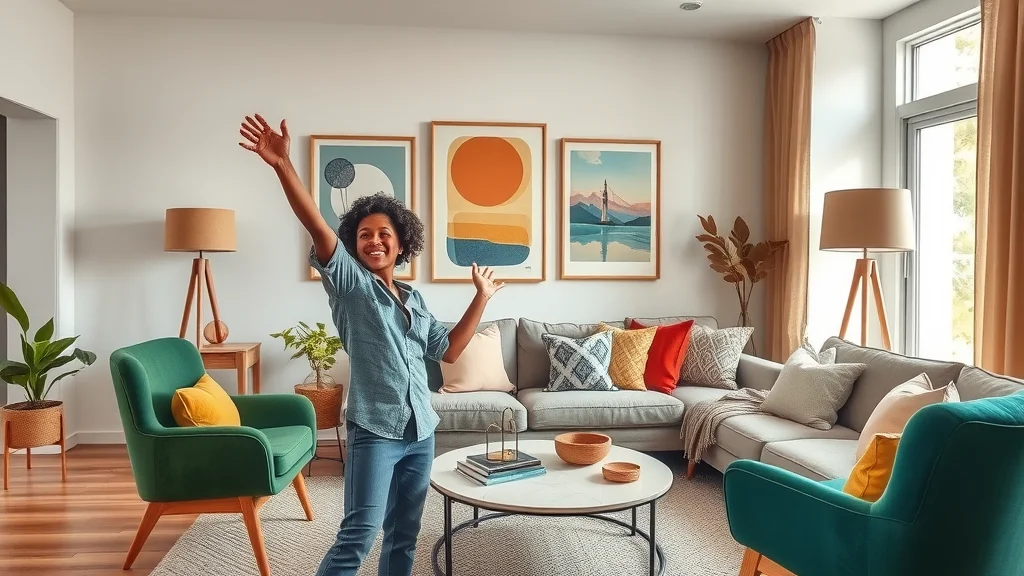
Integrating Unique Pieces into a Cohesive Scheme
Own a one-of-a-kind sculpture or a statement rug from your travels? Place these treasures in a spot where your “core palette” is on display too—this contrast will make them pop but also feel purposeful. If using bold patterns or styles, repeat their colors in smaller doses elsewhere (pillows, throws, or smaller décor) to maintain unity. It’s all about balance and echo—having a unique accent chair in the living room is wonderful, as long as its colors or textures speak to those used in adjoining spaces. This approach keeps the overall cohesive design strong while letting your individuality show.
“A truly cohesive home is a reflection of its owner’s tastes—skillfully anchored in thoughtful continuity.” — Benchmark Homes Designer
Practical Steps: How to Start Creating a Cohesive Home Design Scheme
Ready to put ideas into action? The following steps—drawn from the experience of BenchMark Homes—make creating a cohesive home design scheme simple, even for large- or multi-level projects:
-
Define your overall interior design vision
Start by collecting inspiration: your favorite Pinterest boards, photos, magazine pages, or even textiles. Capture the mood you want—calm, energizing, sophisticated?—and use this as a touchstone for decisions. -
Develop a central color palette
Test combinations with paint chips and fabric samples. Aim for 3–5 foundational hues with a mix of supporting neutrals and accents. Make sure this palette can transition smoothly room by room. -
Identify key design elements that resonate with your style
Choose core textures (woods, stones, metals) and recurring patterns or motifs. Use them in each major space to tie everything together. -
Carry consistent materials, finishes, and textures throughout
Coordinate hardware, flooring, and fabrics even across different rooms. This step helps your home feel bigger and more unified. -
Regularly assess for continuity as your plan evolves
Revisit your mood board and original vision with each new choice. If something feels out of place, adjust or find ways to connect it back to the whole.
Common Mistakes When Creating a Cohesive Home (and How to Fix Them)
-
Overmixing styles resulting in visual chaos: Too many conflicting motifs and patterns can make even spacious homes feel off-kilter. Stick to a few unifying threads to keep harmony.
-
Uncoordinated color schemes across rooms: Using a different color scheme in every space fragments the flow and can create tension. Always refer back to your central palette.
-
Ignoring transitional spaces: Hallways and foyers are connectors—let these areas support your main scheme rather than standing out as departures.
-
Neglecting consistent lighting plans: Uneven or jarring lighting breaks unity. Use dimmers, layers, and coordinate fixtures to maintain the mood throughout.
-
Drifting from the original design element vision: Occasionally revisit your initial plan to avoid accumulating mismatched elements over time.
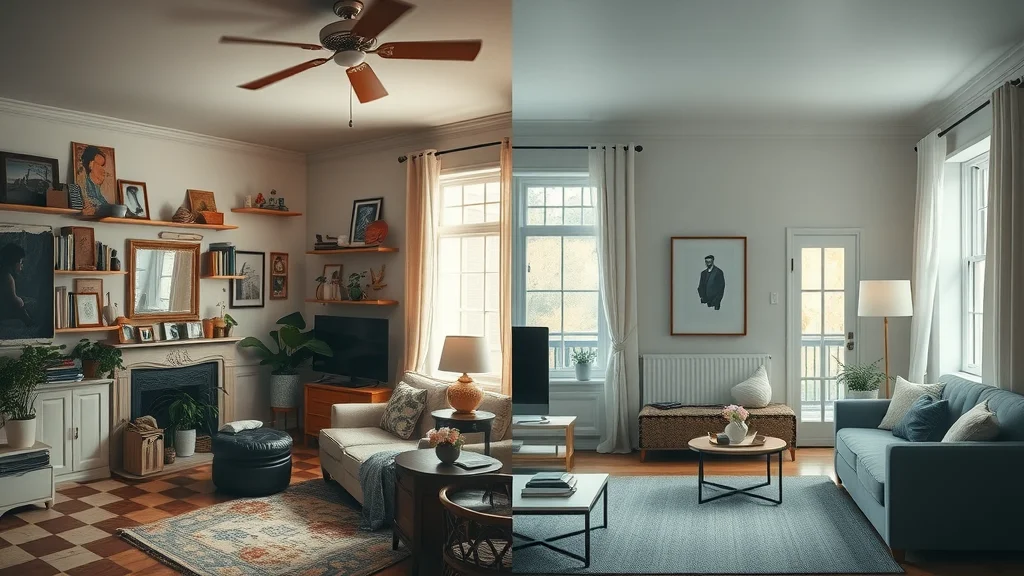
People Also Ask: Your Top Questions About Creating a Cohesive Home Design Scheme
How do I create a cohesive interior design throughout my home?

Answer: Focus on using a consistent color palette, repeat design elements like textures or patterns, and keep your personal style in mind while planning each space. Tie rooms together with artwork, rugs, or lighting schemes that carry similar tones and moods.
What are the essential design elements for a cohesive home?
Answer: The most crucial elements include a unified color scheme, harmonious materials and finishes, consistent use of design motifs, and thoughtful lighting. These elements work together to create flow and connection between rooms.
Can I express my personal style and still create a cohesive design?
Answer: Absolutely. Start with a foundation of neutral or complementary textures, and layer in bold accents or unique pieces from your personal style. Consistent design rules allow room for self-expression without sacrificing unity.
Get actionable strategies from top interior designers: Discover how the pros at BenchMark Homes keep new builds and renovation projects unified from blueprint to finishing touches—all in a short, insightful video presentation.
Hear practical tips for balancing innovation with classic design trends, and learn how small choices make a big difference in achieving cohesion in your home.
FAQs about Creating a Cohesive Home Design Scheme
-
How do I start planning for a cohesive home design?
The best place to begin is by deciding how you want your home to feel and function. Collect images, create a mood board, and jot down must-have colors, materials, and influences. These touchstones will help you stay on track as your project evolves. -
What role do accent pieces play in cohesive interiors?
Accent pieces add personality! Anchor them by repeating colors or textures elsewhere, so even a bold artwork or lamp feels intentional—instead of an outlier. -
Are there specific materials to avoid for better cohesion?
Aim to limit material variety. Too many conflicting woods, metals, or fabrics can break the visual flow. Choose a few complementary finishes and use them throughout the home for maximum harmony.
Key Takeaways for Creating a Cohesive Home Design Scheme
-
Develop a unified color palette early
-
Repeat design elements and motifs for continuity
-
Incorporate personal style selectively—consistency is key
-
Seek professional advice for luxury home projects
Ready to Make Your Dream of a Cohesive Home a Reality?
Call us at(314) 909-7593to schedule your consultation
Contact us today and let BenchMark Homes help you create a cohesive home design scheme tailored to your unique style and aspirations.
Conclusion: With the right planning, creative guidance, and these step-by-step strategies, you can transform your house into a harmonious, high-end retreat that truly feels like home.