
Did you know that over one third of home renovation projects end up over budget or face major delays simply due to avoidable mistakes? For high-end homeowners, these errors can not only cost money but may negatively impact your property’s long-term value and daily enjoyment. If you’re investing in a custom home remodel or upgrade, mastering the art of avoiding common home renovation pitfalls is essential to protecting your vision, your investment, and your peace of mind.
Startling Statistics: Why Avoiding Common Home Renovation Pitfalls Matters
“Over 35% of home renovation projects go over budget or face major delays due to avoidable mistakes.” – National Association of Home Builders
The journey to a luxurious, customized home often begins with inspiration and excitement, but failing to anticipate renovation mistakes can quickly turn dreams into challenges. In recent years, data from the National Association of Home Builders highlights that more than one third of all home renovation projects encounter significant financial or scheduling hurdles. For high-income homeowners seeking to realize their ideal living environment, the stakes are even higher—every decision, from material choice to contractor selection, directly influences both lifestyle and real estate value.
Especially if you own an older home or are aiming for a high-end remodel, common mistakes such as underbudgeting, selecting inferior materials, or choosing the wrong contractor can escalate rapidly. These missteps not only disrupt the remodeling process but can also erode future returns and curb appeal. Ultimately, understanding and avoiding common home renovation pitfalls is paramount to ensuring your home improvement efforts contribute positively to your investment and your daily experience.
What You’ll Learn About Avoiding Common Home Renovation Pitfalls
-
Key common home renovation mistakes to avoid
-
How to establish a realistic budget for your home renovation project
-
Steps for proper planning and working with quality materials
-
The impact of choosing the wrong contractor or design
-
Expert insights tailored for high-end, luxury home renovation and real estate markets
Understanding the Scope: Home Renovation Project Insights
Defining Your Home Renovation Project Goals
Every successful home renovation project starts with a clear understanding of your goals. Whether you’re considering a custom kitchen, a bathroom remodel, or a whole-home upgrade, outlining your objectives guides every subsequent decision. Begin by reflecting on how you use your space. Does your family need more storage area? Are you looking to adapt your home for entertaining or create a more functional, streamlined interior design that suits your lifestyle?
Document your vision in a comprehensive project brief. Specify desired features—like energy-efficient light fixtures, expanded floor plans, or upscale finishes—that will make your home a true reflection of your aspirations. Remember, concrete goals ensure alignment with your design team and contractors, minimizing risks once construction begins. More importantly, defining scope helps avoid the common mistake of losing sight of your priorities amidst evolving design ideas and trends, ensuring your investment delivers lasting satisfaction.
Common Mistakes in Scope Planning for Home Renovations
“A clear vision translates directly into project efficiency and satisfaction with your renovation outcome.” – BenchMark Homes Design Team
A leading renovation mistake—especially in luxury home renovations—is underestimating the importance of scope planning. Without a solid plan, projects often experience unnecessary delays, ballooning budgets, or end up with underwhelming results that don’t meet expectations. The absence of well-defined goals can leave room for costly changes during construction, confusion among contractors, and wasted resources. Carefully considering both immediate needs and long-term dreams for your home remodeling project can dramatically impact the end result.
Additionally, overlooking logistics—such as residential zoning limitations, access to materials, or rerouting plumbing and electrical—can complicate even the most straightforward remodel. Establishing your project parameters early, with detailed plans for everything from storage area configurations to preferred design aesthetics, ensures everyone involved is working toward the same vision. This clarity protects your renovation from the pitfalls that often beset high-value projects, reinforcing your investment in both comfort and resale value.

Proper Planning: Avoiding Common Home Renovation Pitfalls Early
Prioritizing Your Home Remodel Needs
Prioritization is at the heart of effective renovation planning and a crucial tool for avoiding common home renovation pitfalls. Begin by dividing your wish list into “must-haves” and “nice-to-haves. ” Consider which updates will most enhance your lifestyle or boost the property’s real estate value. For example, a modern bathroom remodel or an open-concept kitchen tends to deliver high returns, while luxury upgrades like imported tiles or bespoke cabinetry may primarily serve your personal enjoyment.
Next, weigh the practicality of each goal against your realistic budget. Setting priorities allows you to direct funds where they’ll have the greatest impact, helping prevent overextending your financial resources—a common mistake in home remodels. By focusing on core improvements such as proper planning for structural integrity, quality materials, and design continuity, you set the stage for a renovation process that is both gratifying and smart from a long-term real estate perspective.
Using Professional Expertise for Home Renovation Planning
Partnering with seasoned professionals is fundamental when contemplating a home renovation project. Reputable architects, designers, and contractors bring experience, insight into current home improvement trends, and knowledge of best practices. They can help balance aesthetics and functionality, ensuring your project won’t fall victim to fleeting design fads or inefficiencies. Professionals are adept at anticipating potential renovation mistakes—such as choosing the wrong materials or overlooking critical system updates—that can compromise your home’s long run value.
-
Integrating home improvement trends
-
Balancing aesthetic and functionality
-
Anticipating potential renovation mistakes
Furthermore, professional expertise is vital in developing an actionable timeline, selecting high-quality materials, and securing necessary permits. By relying on their judgment, you minimize risk and bolster the success of your home remodeling project from inception to completion.
Setting a Realistic Budget and Timeline for Your Home Renovation Project
Common Mistakes When Budgeting for Home Renovations
Arguably the most common mistake in any home renovation project is underestimating the true costs involved. Owners often focus on material or labor costs alone, neglecting variables such as permit fees, unexpected repairs in older homes, or the need to upgrade foundational systems. A realistic budget considers these elements as well as an emergency contingency (normally 10-20% of the total budget) to cover unforeseen adjustments.
Overlooking soft costs (like design fees, inspections, and planning) alongside hard costs (materials and labor) can cripple a project mid-stream. To avoid this renovation mistake, work closely with your contractor and designer to outline all potential expenses up front, so you’re not blindsided by hidden costs. Transparent, detailed budgeting shields you from scope creep and ensures your remodeling process remains firmly on track.
Choosing the Wrong Materials and Costly Delays
Another frequent misstep is cutting corners on materials to save money up front, which inevitably leads to elevated expenses for repairs and replacements in the long run. When you select sub-par flooring, outdated light fixtures, or bargain-grade cabinetry, daily wear and tear quickly erodes their quality—turning a cost-saving decision into a recurring expense. Instead, focus on quality materials from reputable suppliers—even if they cost more initially, their durability and style will uphold your home’s value far into the future.
Ensuring material availability is also vital for preventing delays. Choose products with solid, reliable delivery schedules and consider backup options if supply chain disruptions arise. Properly timing material orders and deliveries ensures your home renovation project stays on its defined timeline.
| Mistake | Impact | How to Avoid |
|---|---|---|
| Budget underestimation | Delays, stress, additional costs | Obtain detailed estimates, allow contingencies |
| Low-quality materials | Frequent repairs | Invest in quality, reputable suppliers |
Choosing the Right Contractor: Avoiding Renovation Mistakes
How to Vet and Select a Home Renovation Professional
Selecting the right contractor is a pivotal element of avoiding common home renovation pitfalls. Take the time to interview multiple candidates, scrutinize references, and evaluate project portfolios similar to your home remodel in scope and style. Ask about licensing, insurance, and local experience—especially with luxury homes or complex remodels—and verify credentials with local building departments.
Open conversations about expectations, timelines, and communication styles help you gauge professionalism and reliability. The right contractor will be transparent about costs, willing to collaborate, and equipped to provide solutions to inevitable challenges during your renovation project. This attention to detail helps prevent many common mistakes—such as mismanaged schedules and poor craftsmanship—that can sabotage a high-end transformation.
Red Flags: Common Mistakes People Make Hiring Contractors
“Choosing the wrong contractor is a leading cause of renovation project disappointment in the luxury home market.” – BenchMark Homes CEO
Rushing through the hiring process is a costly error. Choosing the wrong contractor—someone with vague estimates, no insurance, or a lack of local reputation—invites risk and stress. Warning signs include requests for large upfront payments, reluctance to sign formal contracts, or an inability to show relevant experience. These are indicators that your remodeling project could face delays, budget overruns, or substandard results.
Always insist on a written agreement spelling out job scope, payment terms, timelines, and accountability. Check reviews, speak with past clients, and, if possible, tour completed jobs. Proper vetting is your first—and best—line of defense against the common mistakes that derail countless home renovation projects.

Design Pitfalls and Home Renovation Trends to Avoid
Recognizing Common Home Renovation Design Mistakes
In today’s ever-evolving market, design is both a reflection of your taste and a contributor to property value. A common home renovation mistake is prioritizing “wow” factor trends that do not fit the architecture or character of your home. Trend-driven choices—such as fleeting color palettes or unconventional materials—can become quickly dated, diminishing your home’s allure and marketability. Likewise, overlooking proper planning for space flow, natural lighting, and functional needs results in awkward layouts or insufficient storage area, which can reduce enjoyment and resale prospects.
A focus on immediate visual appeal over practicality may seem enticing, but it’s essential to collaborate with design professionals who understand how to blend style and function. These experts help you avoid renovation mistakes that can be both expensive and disruptive—such as installing poor quality light fixtures or misjudging the impact of a dramatic design change on daily routines and real estate value.
Aligning Home Improvement Choices with Real Estate Value
-
Choosing timeless vs. trendy styles
-
Understanding resale impact
To ensure your home renovation remains an asset, select classic, enduring features and finishes that appeal to a broad spectrum of potential buyers. Timeless hardwoods, premium fixtures, and neutral color palettes create a foundation of elegance that ages gracefully and retains market appeal. Additionally, understanding the preferences of your community—such as open-concept living or spa-like bathrooms—can further enhance future resale value.
Consulting with a seasoned real estate professional provides insights into which home improvement projects deliver the highest return in your specific area. This knowledge enables you to tailor renovations that will continue to yield benefits if you decide to sell, making your investment work hardest for you.
Quality Materials: A Crucial Step in Avoiding Renovation Mistakes
Identifying Quality Materials for Your Home Renovation Project
The value of quality materials in any home renovation project can’t be overstated. Choosing reputable brands and proven products for flooring, fixtures, and finishes ensures your investment stands the test of time. Look for certifications, warranties, and supplier references to verify claims about durability and performance. High-end homeowners often prefer engineered hardwood, premium quartz, and designer hardware for their combination of timeless style and endurance.
Ask suppliers to provide product samples and visit showrooms to see and feel finishes in person. This approach prevents unpleasant surprises once materials are installed. Investing in top-tier materials may mean a higher upfront cost but yields savings in repairs and maintenance—and increases daily enjoyment and pride of ownership, solidifying your home’s long-run value.
Common Mistakes When Selecting Materials
| Material | Advantages | Disadvantages |
|---|---|---|
| Engineered hardwood | Durability, elegance | Higher upfront cost |
| Premium fixtures | Long-term performance | Costlier upfront investment |
One renovation mistake many luxury homeowners make is being swayed by dramatic discounts or unfamiliar, untested products. Substituting for lower-cost alternatives might meet your short-term budget, but these often lack the longevity, visual appeal, or quality assurance of leading brands. Always insist on materials that meet the standards of your vision—and your home’s future buyers—ensuring your renovation remains a source of satisfaction for years to come.

Project Management: Staying On Track and Avoiding Common Mistakes
The Role of Communication in Successful Home Renovations
Strong communication is often the dividing line between success and stress in home remodels. Establish regular check-ins with your contractor and designer, and use digital tools—like shared calendars or project management apps—to track deadlines and deliverables. This hands-on approach enables quick identification and resolution of issues, preventing small problems from turning into budget-busting delays or design missteps.
Document every agreement and change request in writing, maintaining a transparent record throughout the remodeling process. Open discussion reinforces accountability, supports proper planning, and ensures your renovation project proceeds according to the original vision you worked hard to define at the outset.
Tracking Renovation Progress and Budget
Keeping renovations on schedule and within budget requires diligence. Monitor progress via regular site visits and request frequent updates backed by photographs and status reports. Modern builders often utilize project management software to share real-time updates, giving you transparency and peace of mind, especially if you’re managing a complex or large-scale remodel.
Watch for signs of budget underestimation or creeping expenses. If you see costs exceeding projections, halt and reassess before proceeding. Tracked correctly, this vigilance keeps your home renovation project both accountable and agile—delivering results that meet your expectations without unexpected surprises.
Legal Considerations and Permits in Home Renovation Projects
Common Home Renovation Permit Mistakes
Cutting corners or skipping permit processes is a frequent but severe renovation mistake, particularly in high-value communities. Unpermitted work can halt your project, incur fines, or hinder future sales by complicating title transfers. Always begin with a permit checklist customized for your city—requirements often vary by project type, scope, and whether your home is older or in a historic district.
Consult municipal websites or the planning office to understand which elements of your home improvement project require documentation. Tackling the permit process early streamlines compliance and reduces headaches as schedules progress. In luxury markets, demonstrating full legal compliance also reassures potential future buyers when it’s time to sell.
Working with Local Real Estate Regulations
-
Permit checklists
-
Best practices for compliance
Each municipality or planned community may have unique real estate guidelines impacting property modifications. These can include material restrictions, color palettes, fencing rules, or historic preservation constraints. Ignoring such requirements can result in removal orders, additional costs, or even legal disputes.
Best practices include consulting a local design-build consultant familiar with area regulations, keeping permits visible on-site, and integrating regulatory approvals into your project calendar. Proactive legal compliance prevents costly delays, aligns your renovation project with community standards, and ensures lasting value for your property.
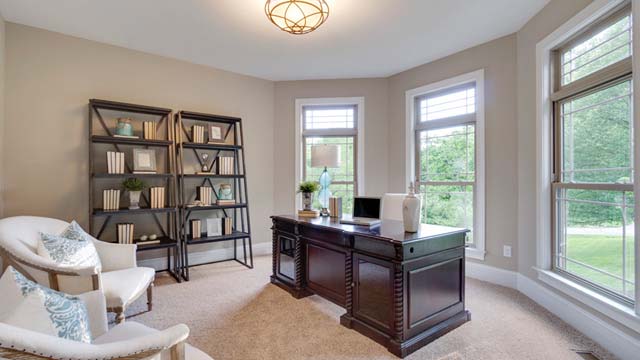
Ensuring Lasting Value: Avoiding Common Home Renovation Pitfalls in High-End Markets
Strategies for Maximizing ROI on Your Home Renovation
For high-income homeowners, a successful renovation isn’t just about aesthetics—it’s about maximizing return on investment (ROI) and securing future value. Strategies include focusing on universally appealing features like open floor plans, modern kitchens, and spa-like baths. Investing in energy-efficient upgrades and smart home technology also increases desirability.
Regularly consult with a real estate advisor to assess the impact of your decisions. Avoid overpersonalizing spaces, as overly unique design elements can narrow your market when it’s time to sell. Instead, select quality materials and finishes that balance current trends with long-term appeal, yielding higher resale values and minimizing future renovation needs.
Aligning Home Improvements with Community Real Estate Trends
Understanding your local market is critical. What adds significant value in one neighborhood may not in another. Survey recent sales, connect with local agents, and review listing photos to ensure your improvements fit with, or exceed, the community’s standards. For example, adding a custom kitchen or updating exterior features may command a premium in affluent neighborhoods, while high-tech upgrades or landscaping improvements might boost ROI elsewhere.
In high-end markets, every detail matters—from fixture selection to architectural consistency—so anchoring choices in current real estate trends helps avoid the common mistake of over- or under-investing. This alignment guarantees your remodel delivers enjoyment today and value tomorrow.
People Also Ask: Avoiding Common Home Renovation Pitfalls
What are the biggest mistakes to avoid when renovating a high-end home?
Answer: The most significant mistakes include underestimating the total cost of the project, failing to secure necessary permits, choosing unreliable contractors, and selecting trendy over timeless materials. Each of these errors can lead to delays, increased expenses, and lower long-term real estate value.
How can I make sure my renovation stays on schedule and within budget?
Answer: Establish a detailed project plan and timeline, work with experienced professionals, conduct weekly progress reviews, and allow a buffer (typically 10-20% of your budget) for unexpected costs or delays. This proactive approach is vital for staying on track.
What upgrades have the highest ROI in luxury home renovations?
Answer: Popular high-ROI upgrades include custom kitchens, spa-like bathrooms, energy-efficient systems, high-end flooring, and smart home features. These improvements appeal to buyers and add daily convenience and enjoyment for current residents.
Discover firsthand: Hear from luxury homeowners about their renovation journeys, the lessons learned, and the strategies that helped them avoid costly renovation mistakes. B-roll features before-and-after tours of stunning remodeled spaces with expert commentary.
FAQs: Avoiding Common Home Renovation Pitfalls
-
How can I ensure quality materials for my renovation project?
Always work with trusted suppliers, request product certifications and warranties, and rely on your contractor’s or designer’s recommendations for sourcing. Visiting showrooms and reviewing samples in person also ensures you get the best for your investment. -
What is the most common mistake in luxury home renovations?
The most common mistake is underestimating the complexity and cost of high-end projects, often leading to stress, delays, and unsatisfactory results. Proper planning and professional oversight are essential for success. -
Do I always need permits for home remodels?
Most major renovations, especially those affecting layout, plumbing, or structure, require permits. Always check local regulations before starting your project to avoid legal complications and costly delays.

Key Takeaways from Avoiding Common Home Renovation Pitfalls
-
Meticulous planning and setting a realistic budget are crucial for success
-
Quality materials and expert contractors prevent long-term renovation mistakes
-
Complying with legal requirements avoids costly delays
-
Strategic design choices align with future real estate trends and resale value
Next Steps: Connect with BenchMark Homes for Expert Guidance
-
Ready to avoid renovation mistakes and create a high-end custom home? Contact us at https://benchmarkhomesstl.com/contact/
Call us at (314) 909-7593 to schedule your consultation