
Did you know? Nearly 60% of luxury home renovation projects exceed their initial budget—often due to hidden costs and unclear priorities. If you’re planning to upgrade your home’s interior, understanding how to budget for interior renovations can mean the difference between stress-free transformation and financial regret. This guide offers an informed, expert-approved roadmap for setting—and sticking to—a design budget, tailored specifically for high-end custom homes, like those crafted by BenchMark Homes.
Did You Know? Surprising Facts About How to Budget for Interior Renovations
Homeowners investing in high-end interiors frequently overlook the complexities of a renovation budget. Unanticipated expenses—like design fees, structural issues, or last-minute upgrades—can catch even the savviest individuals off guard. Many are surprised to discover that “standard” real estate rules of thumb, like spending per square foot or fixed project allocations, may not apply to custom homes requiring bespoke materials and unique design solutions.
Another critical insight: allocating resources without a clear design plan can result in costly changes mid-project, derailing your original budget. For luxury-focused renovations, both the quality level of selected finishes and regular budget reviews are vital. Mastering how to budget for interior renovations—with an informed, step-by-step process—will empower you to make decisions that maximize both style and function, ensuring your investment delivers the wow factor you expect.

What You’ll Learn: Mastering How to Budget for Interior Renovations
-
Step-by-step guidance on creating a renovation budget
-
How to avoid common overspending pitfalls
-
Expert-approved interior design budgeting tips
-
Understanding rules and strategies like the 3-5-7 rule
-
How to balance luxury finishes and functionality in a renovation budget
Understanding the Basics: How to Budget for Interior Renovations
Creating a realistic and effective interior design budget starts with understanding foundational principles. Before you select a single tile or paint color, it’s vital to establish a project budget that helps you allocate funds thoughtfully. An efficient design budget ensures you maintain control of costs, reduce the risk of scope creep, and prevent unnecessary sacrifices in design quality. Whether you’re redesigning a living room, primary bedroom, or kitchen, these basics form the backbone of all successful interior design projects.
Clarifying your goals and financial boundaries at the outset enables you to make informed decisions, weighing the trade-offs between luxury finishes and functional requirements. Since every custom home project carries unique variables, an interior renovation budget accounts for everything from materials and design fees to contractor fees and finishing touches. Mapping this out early provides a blueprint for discussions with your interior designer, builder, or design service partner.

Why a Renovation Budget Matters in Any Interior Design Project
Imagine embarking on an interior design project without a clear financial plan—costs can escalate rapidly, often with little warning. A well-structured renovation budget serves as your safeguard, shaping both the creative process and final outcome. It enables you to establish spending limits upfront and prioritize expenses based on your unique needs, preferences, and the overall scope of your design project.
This approach helps you avoid a common trap: overspending on flashy or unnecessary upgrades that don’t contribute to your home’s value or your personal satisfaction. It also fosters accountability, ensuring that both you and any design professionals you hire remain aligned. Allocating funds wisely between essentials—like flooring, lighting, and structural improvements—and splurges on quality pieces, such as a statement sofa or custom drapery, is essential for a balanced, successful project.
Key Terms to Know: Interior Design Budget, Design Project, and Renovation Budget
Understanding the following key terms empowers you to engage meaningfully throughout the design process: Interior Design Budget: The comprehensive plan allocating funds for all aspects of design, from furniture and fixtures to decor accents and professional services. Design Project: Any endeavor involving a planned series of changes to your home’s interiors—this could be a single-room makeover or a whole-home transformation. Renovation Budget: The specific allocation for construction, demolition, installation, and finishes—often managed alongside the design budget for seamless execution. Grasping these distinctions ensures you can communicate directly with designers, project managers, and contractors, helping you make informed decisions at each phase.
Setting Your Renovation Budget: Step-by-Step
“A well-planned budget is the blueprint for interior design success.” – Leading Interior Designer
Establishing a renovation budget is a multi-step process designed to match your vision with financial reality. Begin by assessing your current space and determining which areas—living room, kitchen, or primary bedroom—require immediate attention. Next, clarify your design goals and style priorities. Understanding these needs assists in estimating costs, requesting accurate proposals from design services, and creating a buffer for any surprises along the way.
Once you’ve clearly defined the project scope, allocate your spending into relevant categories: materials, labor, design fees, contractor fees, furnishings, and finishing touches. Factor in specialty needs unique to high-end homes, such as custom millwork, premium window treatments, or integrated home technology. Assign an upper budget threshold, but keep a flexible contingency fund for unforeseen issues—think structural surprises or last-minute upgrade impulses. Regular budget reviews with your design team or project manager ensure ongoing alignment.
Assessing Your Needs for an Interior Design Project

The first step in how to budget for interior renovations is a detailed assessment of your goals. Take time to list necessary upgrades (old carpet, outdated lighting, lack of storage) vs. desired indulgences (statement art, luxury finishes). Consider how the space should function for your family’s lifestyle, hosting habits, and long-term real estate plans.
For custom homes, it’s especially important to factor in square footage, quality level of finishes, and the frequency of use for each space. A living room used daily may warrant higher investment in furnishings, while a guest bedroom can have a more modest allocation. Don’t forget to evaluate existing structural issues—addressing these first ensures you avoid hidden costs later on. Bringing this comprehensive needs assessment to your interior designer or builder allows for an accurate, custom-fit project budget.
Defining Your Interior Design Style and Priorities
Your design style—and your must-haves—directly influences your renovation budget. Are you drawn to modern minimalism, transitional luxury, or a bold and eclectic mix? Defining your style early helps prioritize spending and focus investment on high-impact areas, such as a bespoke occasional chair, custom drapery, or designer fixtures for your living room or primary bedroom.
By ranking your priorities, you ensure that you allocate funds to items that truly matter, reducing the allure of impulse purchases that can blow even a well-constructed budget. Set clear boundaries for “splurge” items versus practical upgrades, leaning on your designer’s expertise to identify where spending on quality pieces will make the most visual and functional difference.
Allocating Spending Categories for Your Design Budget
A detailed allocation of your design budget breaks down costs, making it easier to monitor, adjust, and defend spending decisions. Create categories such as construction, built-ins, furniture, lighting, decor, window treatment, and professional design services. Be sure to include a 10–20% contingency fund for unplanned expenses—essential for any interior design project, especially in custom homes where surprises can be expensive.
Below is a sample breakdown to help guide your own planning process. Adjust percentages or amounts based on your priorities and the size of your renovation:
| Sample Renovation Budget Breakdown | ||||
| Category | Living Room | Kitchen | Primary Bedroom | Others (Bath, Office) |
|---|---|---|---|---|
| Construction & Structural | 20% | 35% | 10% | 15% |
| Furniture | 30% | 15% | 40% | 20% |
| Lighting & Decor | 15% | 10% | 20% | 25% |
| Window Treatments | 10% | 8% | 15% | 10% |
| Design Services & Fees | 15% | 17% | 10% | 15% |
| Contingency | 10% | 15% | 5% | 15% |
The Role of an Interior Designer in How to Budget for Interior Renovations
Professional design services offer both creative expertise and invaluable project management—especially important for high-end custom home renovations. Working with an experienced interior designer ensures your design budget is allocated effectively, helping you navigate decisions on materials, finishes, and contractor selection. Their knowledge of quality level, sourcing, and functional space planning often saves money in the long run by preventing costly missteps or ill-suited investments.
An interior designer’s project management keeps your timeline and spending on track, offering regular budget reviews and clear documentation of all design choices. This minimizes surprises and helps guarantee that your renovation supports both your daily lifestyle and future resale goals.
How Professional Design Services Impact Your Interior Design Budget

Investing in professional design services may seem like an added expense, but it can actually pay off by optimizing project flow and outcome. Interior designer fees often include planning, sourcing, and oversight—reducing the risk of expensive mistakes or delays caused by poor coordination or rushed decisions. Their understanding of both design trends and long-term value ensures that money is spent where it matters most, balancing foundational elements with finishing touches for a cohesive look.
On complex renovation projects, an interior designer will also coordinate with contractors and vendors, often negotiating better pricing for materials and helping you avoid unnecessary design fees or premium markups. This all-in-one project management can streamline communication, satisfy local code requirements, and keep your project budget in check.
When to Hire an Interior Designer vs. DIY for Your Design Project
If your renovation involves structural changes, major customizations, or a large scope (such as a whole-home refresh), engaging a professional interior designer is almost essential. They offer not just style, but technical know-how and industry contacts that save both time and headaches. DIY design may be an option for minor updates or if you have prior experience—but be ready to devote plenty of time to research, planning, and supplier communications.
Factor your own comfort level and schedule. If your renovation budget can accommodate design fees, it’s wise to invest—especially for primary bedroom and living room spaces where quality level and visual impact matter most. For simpler projects or small upgrades, an informed DIY approach may be sufficient, but always consult experts before making structural or high-investment decisions.
Smart Strategies for Sticking to Your Renovation Budget
Securing your dream interior requires discipline and creativity to prevent overspending. The best results blend regular budget reviews with strategic prioritization, maximizing value on every dollar spent. Start by distinguishing between must-have upgrades, like new flooring or built-ins, and nice-to-have touches, such as accent wallpaper or designer rugs.
Maintain detailed records and make it a rule to approve all material and design service changes in writing. Use budgeting apps or spreadsheets to track expenses by category so you can spot (and address) overspending early. Lean on your design team for professional advice on where to save money and where to invest in lasting luxury.
Prioritizing Must-Have vs. Nice-to-Have Features in Interior Design

Not all design features hold equal weight—especially in luxury renovations. Identify which upgrades contribute most to your quality of life and your home’s long-term value. For example, high-end window treatments or durable flooring may rank as must-haves in a living room that hosts gatherings, while an occasional chair or exotic accent piece may be a lower priority.
Maintaining a tiered priority list helps guide informed decisions throughout the project. Decide early where you’ll make necessary compromises: perhaps opting for mid-tier finishes on less-used spaces to free up the design budget for statement lighting or custom built-ins. Reassess priorities with each budget review session and be flexible—relative importance can shift as your vision evolves or new design options emerge.
Hidden Costs: What to Watch for in Interior Design Projects
Hidden or unexpected costs are a common culprit for budget overruns. These may include structural issues uncovered during demolition, specialized electrical work, delivery fees, storage for materials, or additional contractor fees due to delayed timelines. To avoid unpleasant surprises, proactively request detailed proposals and ask your interior designer or builder to flag possible risks up front. Always include a contingency allocation in your renovation budget—to ensure your project stays on track even if challenges arise.
-
Permit fees or unexpected code upgrades
-
Delivery and shipping surcharges
-
Structural issues (plumbing, wiring)
-
Contractor change orders
-
Custom millwork or specialty finishes
-
Design or contractor fees for mid-project changes
-
Temporary storage for furnishings
-
Repairs to adjoining spaces not originally in the project scope
Rules and Guidelines: Using Proven Strategies in How to Budget for Interior Renovations
Adopting expert rules of thumb makes it easier to structure your interior design budget for both impact and efficiency. Techniques like the 3-5-7 rule, 30% rule, 70/30 rule, and 3/4/5 rule each offer unique approaches to balancing style, practicality, and investment, especially in fully customized homes.
Working with a design team, consult these guidelines as a starting point—then personalize allocations to reflect your own space, goals, and functional requirements. Remember: informed decisions based on proven rules will help you maximize every element of your renovation budget, from the living room to the primary bedroom and beyond.
What is the 3-5-7 Rule in Interior Design and How Does It Apply to Your Renovation Budget?
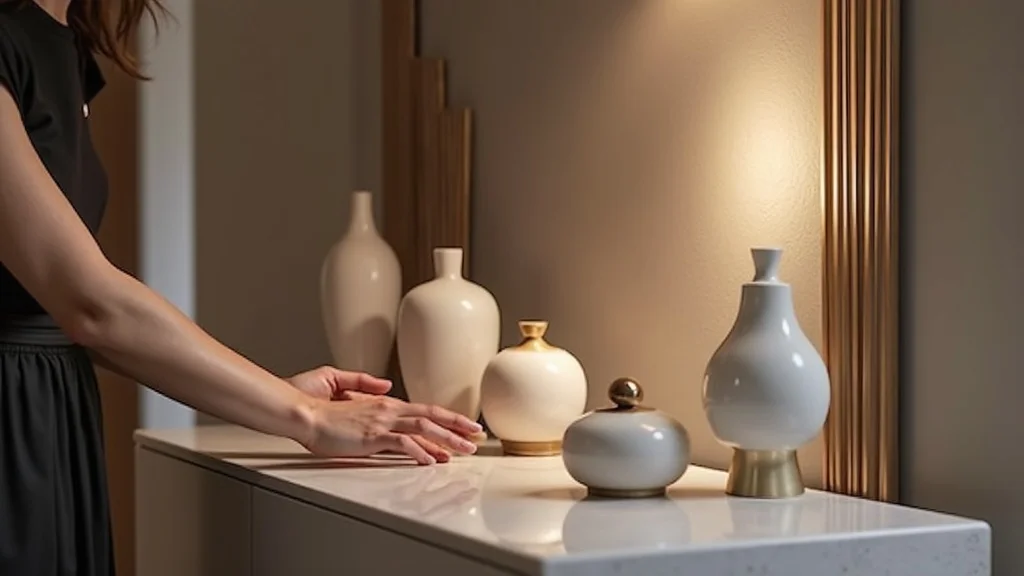
The 3-5-7 rule refers to grouping decorative items or furniture in odd numbers—threes, fives, or sevens—for a visually balanced effect. Although it’s rooted primarily in space planning and aesthetics, recognizing this principle can help you focus spending on high-impact groupings (like three custom chairs or five art pieces) rather than scattering your budget on individually insignificant items. In summary, this rule promotes intentional investment for the greatest design outcome.
What is the 30% Rule for Renovations? Allocation Tips for Your Interior Design Budget
The 30% rule recommends that your total renovation spending—across the entire home—should not exceed 30% of your home’s value. While this serves as a practical ceiling, you’ll want to consider the nuances of luxury or custom spaces. Aligning your interior design budget with this rule helps you avoid over-investment while ensuring the results are commensurate with market and real estate expectations.
What is the 70/30 Rule in Interior Design? Balancing Luxury and Practicality
The 70/30 approach recommends dedicating 70% of your renovation budget to “foundation” pieces (like structural work, flooring, and large furniture) and the remaining 30% to accents, decor, and finishing touches. This formula encourages harmony—building a room’s essentials for longevity, then layering in personality and luxury without tipping into overspending. It’s especially effective for living room and primary bedroom projects where investment in quality pieces pays dividends over time.
What is the 3/4/5 Rule in Interior Design and Its Importance in Budget Planning
The 3/4/5 rule is primarily a design layout principle, used to ensure right-angle accuracy (especially in space planning or structural renovations). For budgeters, understanding the need for square, precise layouts ensures that your investment in construction, cabinetry, and built-ins delivers durability and seamless functioning. Proper planning and adherence to such rules prevent unnecessary spending on corrections or rework later in the project.
Expert Tips to Maximize Your Interior Design Budget
“Luxury doesn’t always mean overspending when you follow a thoughtful interior design budget.” – Benchmark Homes Expert
-
Work with professionals: Interior designers bring invaluable advice and can negotiate better rates for design services, materials, and contractor fees.
-
Request multiple quotes: Collect several bids for major components—especially for labor and specialty materials—to ensure competitive pricing.
-
Schedule regular budget reviews: Set milestone check-ins with your designer or project manager to monitor every phase and make adjustments if needed.
-
Choose quality over quantity: Invest in fewer high-impact items—a standout occasional chair, custom window treatments, or statement lighting—over filling a room with middling choices.
-
Be flexible but firm: Stick to your priorities, but stay open to cost-saving alternatives that maintain your vision, such as alternative materials or simpler installation methods.

Room-by-Room Guide: How to Budget for Living Room, Primary Bedroom, and More
A successful interior design budget flexes to match both the needs and the roles of different rooms. Here’s how to approach the most important spaces in your home:
Living Room – Focal Points for Your Interior Design Budget
The living room sets the tone for your home’s style and functionality—it’s often where luxury details (like premium flooring, designer lighting, or oversized windows) yield the greatest impact. Allocate a good portion of your budget to foundation elements—like a sofa, built-ins, or statement fireplace. Accentuate with select quality pieces, such as a locally commissioned artwork or custom drapery, rather than spreading funds too thinly across less significant items. A well-balanced living room budget ensures durable comfort and visual wow-factor for years to come.
Be careful to leave room for finishing touches—pillows, throws, plants, and decorative objects—which maximize style without requiring huge investment. Regular budget reviews on this space prevent small upgrades from spiraling out of control.
Primary Bedroom – Where to Splurge and Where to Save

Your primary bedroom is your sanctuary—so invest in elements that promote comfort and relaxation. Splurge on high-quality textiles for bedding, plush area rugs, and a premium mattress. Lighting is another area where an upgrade pays off daily; consider a statement chandelier or designer bedside lamps for practical ambiance.
However, you can save on accent furniture (like an occasional chair or secondary dressers) and window treatments by choosing stylish but less-customized options, especially if the room’s layout or use is relatively straightforward. Partner with your interior designer to prioritize personal comfort and tailored luxury over decorative extras.
Kitchen, Bathrooms, and Other Key Spaces in Your Design Project
In kitchens and bathrooms, structural issues, cabinetry, and fixtures account for much of the design budget. High-traffic areas require durability and function, so prioritize flooring, surfaces, and appliances above non-essential decor. Splurge where longevity is essential—quartz countertops, solid wood cabinetry—and consider saving on tile or secondary lighting with savvy, stylish alternatives.
For offices, mudrooms, or less-used bedrooms, minimize spending by opting for streamline solutions and repurposed or value-engineered furnishings. Keep a watchful eye on contractor fees and project management expenses—these often escalate in multi-space or full-house design projects without careful oversight.
Case Study: Successful Interior Design Projects That Stayed Within Budget
“Clear vision and transparent planning kept our design project perfectly on track and within budget.” – Satisfied Benchmark Homes Client
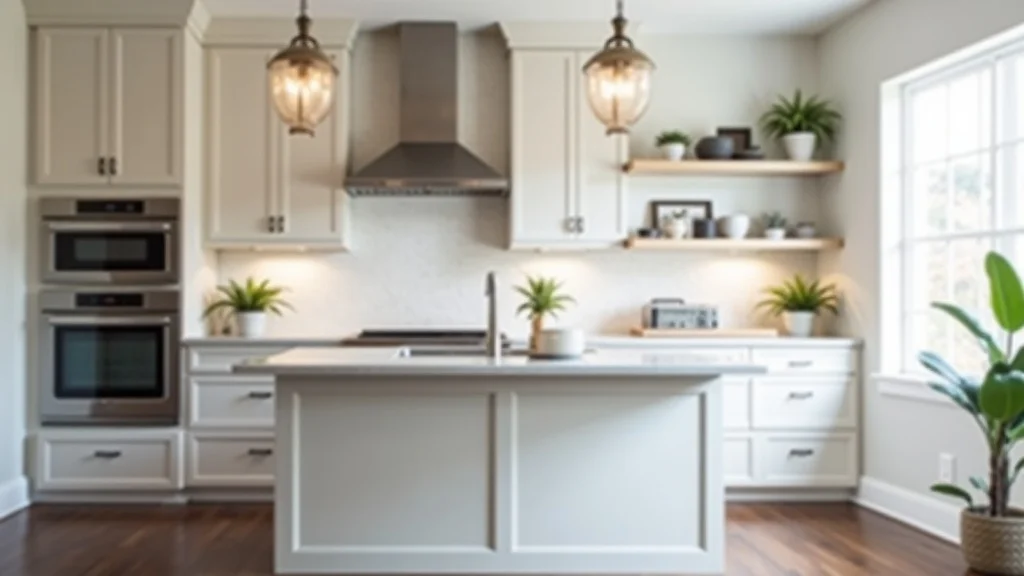
One Benchmark Homes client recently transformed a dated kitchen into a modern chef’s dream while adhering strictly to a detailed renovation budget. By allocating primary funds to cabinetry, counters, and lighting, then sourcing accent pieces through the designer’s preferred vendors for savings, the homeowner avoided costly overruns.
Another couple renovated their living room and primary bedroom by using the 70/30 rule—prioritizing foundational elements and allocating a small surplus for a truly memorable custom art piece. Partnering with an interior designer provided not only design vision, but also ongoing budget reviews and project management, ensuring a successful project completed without unexpected costs.
Tables: Example Renovation Budget Templates and Tracking Tools
| Sample Table: Comparing Costs Across Design Services | |||
| Design Service | Scope of Work | Typical Fee Range | Value-Add |
|---|---|---|---|
| Full-Service Interior Designer | End-to-end planning, sourcing, project management | Varies by project scope | Creative vision, efficiency, access to exclusive sources |
| Consultation-Only Designer | Concept development, vendor referrals | Lower (hourly or flat rate) | Expert input without long-term commitment |
| DIY with Designer Oversight | Owner manages, designer reviews key milestones | Project-based or hourly | Guidance plus cost-savings |
People Also Ask: Common Questions About How to Budget for Interior Renovations
What is the 3-5-7 rule in interior design?
The 3-5-7 rule in interior design refers to using groupings of items in threes, fives, or sevens to create visually pleasing arrangements. This guideline helps bring harmony and balance in space planning. While not a direct budgeting tool, it informs your spending by focusing investment on impactful design elements.
What is the 30% rule for renovations?
The 30% rule for renovations suggests that about 30% of your total home value is an upper guideline for renovation spending. For your interior design budget, this can help prevent over-investment, keeping projects aligned with expected return on investment.
What is the 70/30 rule in interior design?
The 70/30 rule in interior design advises allocating 70% of your interior space or budget to foundational elements (like paint, flooring, large furnishings) and 30% to accents and decor, ensuring a balanced, sophisticated aesthetic without overspending.
What is the 3/4/5 rule in interior design?
The 3/4/5 rule relates to creating right angles in layouts, supporting both form and function in an interior design project. Understanding such principles helps ensure your renovation budget is allocated to practical and structurally sound changes.
FAQs: Further Guidance on How to Budget for Interior Renovations
-
How early should I set my renovation budget for an interior design project?
As early as possible—before design plans or material selections begin—to ensure all decisions align with your financial goals and to provide clarity for all stakeholders. -
Can sustainable materials impact my interior design budget?
Yes, sustainably sourced or eco-friendly options can vary in cost. They sometimes command a premium but may save money over time or add long-term value to your real estate investment. -
Should I include a contingency fund in my renovation budget?
Absolutely. A 10-20% contingency is standard best practice to prepare for hidden costs, change orders, or unforeseen structural or supply issues.
Key Takeaways: Avoiding Overspending When You Budget for Interior Renovations
-
Remember the importance of a well-defined renovation budget
-
Use rules like 3-5-7, 30%, and 70/30 to guide your decisions
-
Prioritize transparency and expert advice for interior design success
Ready to Achieve Your Dream Space?
“Contact us at https://benchmarkhomesstl.com/contact/ or call us at (314) 909-7593 to start planning your next interior design project with an expertly crafted renovation budget tailored to your goals.”